 Facebook
 X
 LinkedIn
 Forward
WELCOME TO THE ACLM LEARNING CENTER, Anonymous WELCOME TO THE ACLM LEARNING CENTER
Take a lifestyle medicine course, change a life – including your own
There’s no better time than now to learn more about lifestyle medicine, the most powerful way to treat, reverse, and prevent chronic conditions. Our courses provide knowledge and applicable skills to support you and your patients in achieving better health.
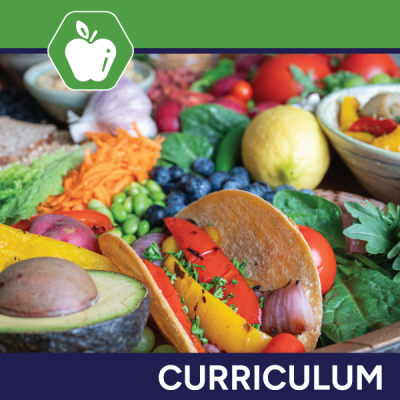
From food as medicine and foundational skill building to type-2 diabetes remission and burnout reduction, ACLM offers courses on today’s most important topics to help you elevate your practice for a better tomorrow.
Featured courses
Explore our most popular and impactful courses—handpicked to help you advance your knowledge and apply lifestyle medicine in practice.
Fresh courses, timely topics
Explore the latest courses, clinical tools, and resources designed to help you stay at the forefront of evidence-based care. New content is added regularly—check back often to stay ahead.

As cancer detection and treatments are advancing, effective survivorship care is critical to address the medical, physical, emotional, social, and financial issues. Cancer survivorship begins on the day of diagnosis and involves a whole-person approach beyond active medical treatment, emphasizing the need for comprehensive survivorship care. Caring for survivors is not limited to oncologists but extends to a multidisciplinary team, including primary care clinicians, specialists, and health professional team members, to ensure whole-person and sustained care. Currently, there are over 18 million cancer survivors in the U.S., and that number is estimated to increase to 26 million by 2040. Survivorship care leads to improved quality of life, physical functioning, reduced risk of recurrence, development or worsening of chronic diseases, improved management of treatment-related side effects, enhanced emotional well-being, and reduced anxiety and depression. Lifestyle medicine (LM) plays a pivotal role in cancer survivorship care. Yet, despite research highlighting its importance, its integration into oncology and general medicine remains underexplored in professional forums, which are critical venues for disseminating information and sharing updates. This session seeks to highlight the untapped potential of LM in medical practice and provide practical strategies for incorporating it into clinical care. With the growing population of cancer survivors, addressing this gap is essential to improving outcomes and enhancing the quality of life for patients. LM encompasses evidence-based interventions that align with national survivorship guidelines, such as those of the American Society of Clinical Oncology (ASCO), the American Cancer Society (ACS), and National Comprehensive Care Network (NCCN). Cancer centers should incorporate lifestyle medicine clinics into their survivorship programs. These clinics include an interdisciplinary team of clinicians, including physicians, nurse practitioners, dietitians, psychologists, and physical therapists. This integrated approach leads to personalized, whole-person care that addresses each survivor's unique requirements.
In this session, we will highlight key aspects essential to oncology care and will also discuss strategies to implement these tools in the clinic, drawing on actionable insights from successful programs such as the Paving the Path at Mass General Hospital, led by Dr. Comander, which has demonstrated improved patient outcomes through integrating lifestyle medicine in oncology care. We will review the six pillars of lifestyle medicine and discuss their evidence-based relevance to oncology, emphasizing their role in improving patient outcomes and reducing recurrence risks. We will explore barriers to implementing LM programs in oncology, addressing challenges such as patient engagement, healthcare infrastructure, and resource availability. We will also describe strategies for integrating LM into oncology care, showcasing practical approaches for incorporating these principles into clinical practice to enhance survivorship and overall patient well-being. In addition to clinical insights, the session will emphasize the role of multidisciplinary care in survivorship programs, present successful lifestyle medicine programs for cancer survivors as case studies, and the current ACLM cancer toolkit.
While lifestyle medicine provides significant benefits, implementation is challenging. This session will explore strategies for overcoming these challenges, including utilizing telehealth, shared medical appointments, and technology to improve accessibility and support long-term behavior change. This session aims to deliver evidence-based insights and actionable tools that attendees can apply. It is designed for healthcare team members, health executives, and anyone with a personal or professional interest in cancer survivorship.
|

Chronic diseases, responsible for most of the $4.5 trillion spent annually on healthcare in the United States, are a leading cause of mortality and reduced quality of life. Older adults disproportionately bear the burden of these conditions, yet many healthcare professionals receive inadequate education on how to provide comprehensive, lifestyle-oriented care to this population. The urgent need to address this gap underscores the importance of interprofessional education (IPE) in preparing healthcare teams to meet the unique needs of older adults. This session highlights innovative IPE programs that integrate lifestyle medicine principles into the training of healthcare professionals across disciplines. Through initiatives such as interdisciplinary case conceptualizations, Project ECHO: Care of Older Adults, and interdisciplinary case management experiences, learners from fields including medicine, nursing, social work, and dentistry collaborate on real-world scenarios to apply lifestyle medicine strategies like nutrition, physical activity, stress management, and social connection. These programs foster practical, team-based approaches that emphasize prevention and holistic care.
Participants in this session will gain insights into the design and implementation of these programs, the integration of lifestyle medicine content, and strategies for overcoming challenges in interprofessional education. By sharing examples of collaborative learning modules, successful program outcomes, and lessons learned, this session will inspire attendees to replicate and scale interprofessional efforts in their own settings. The presentation will also address the broader implications of integrating lifestyle medicine into education and practice. By fostering collaboration among physicians, nurses, social workers, community health workers, and other professionals, IPE lifestyle medicine programs advance whole-person care and promote health equity. Attendees will leave equipped with actionable strategies to implement team-based approaches that enhance outcomes for older adults and diverse patient populations. In a healthcare system often dominated by silos, interprofessional education provides a powerful tool to address the lack of training in lifestyle medicine and geriatrics. Whether you are an educator, clinician, or administrator, this session will provide the tools and inspiration needed to champion lifestyle medicine through interdisciplinary collaboration.
|

Binge and emotional eating are common behaviors that contribute to significant psychological distress and are often associated with overeating, overweight, obesity, and related cardiometabolic conditions. They are present in persons of various age groups, gender, and socioeconomic status. A study of American adults found that over 20% of participants reported eating emotionally often or very often. The DSΜ-5-TR outlines specific diagnostic criteria for binge eating disorder, but does not specify criteria for emotional eating, which is commonly defined as eating to avoid difficult emotions. Emotional and binge eating exist along a continuum and are often underreported and underdiagnosed. Many patients engage in eating behavior in secret and may not report their symptoms or seek help due to shame and fear of judgment. Additionally, many healthcare providers do not have sufficient training in eating disorders and do not routinely screen for them.
While disorders of eating behavior are commonly encountered in primary and specialty care, most providers are not able to provide the necessary care due to insufficient training and time, and concerns about reimbursement. When binge or emotional eating disorders are identified, current treatment options include self-help books or programs, guided self-help programs, and individual- or group-based psychotherapy. Self-help books and programs can be effective, but patients may feel isolated due to a lack of peer-to-peer support or interaction. Individual- or group-based psychotherapy programs are also effective but may be cost prohibitive due to insufficient insurance coverage and access to care. In addition, traditional disordered eating treatment generally advises against restrictive diets, irrespective of weight status, advocating instead for inclusive diets that incorporate all food groups, eliminate food rules, and emphasize moderation. Strict food rules are frequently considered eating disordered behaviors. However, many people dealing with eating disorders are deeply concerned about their mental and physical well-being and are striving to balance the seemingly competing priorities of healthful nourishment and satisfaction with food. To meet these challenges, we launched a novel program to help participants with binge and emotional eating behavior. For the purposes of the program, we defined binge and emotional eating as any eating behavior that is associated with two core features – a sense of a loss control over food intake and subsequent harm to mental or physical health. Persons with anorexia nervosa were not eligible to participate in the program. The program incorporated a multi-disciplinary approach and was led by a clinical psychologist, internal medicine physician, and registered dietitian – all versed in plant-based nutrition and lifestyle medicine. The program duration was 12 weeks and included weekly 60-minute online meetings with 30 to 40 participants. Each weekly meeting included live instruction, peer-to-peer interaction, and support. Participants were assigned weekly homework to foster progress and accountability. The program was based on the principles of cognitive behavioral therapy (CBT) and dialectical behavioral therapy (DBT). A unique feature of the program was the incorporation of plant-based nutrition education. Participants were taught about the benefits of minimally processed plant-based foods, and the role of nutrient density and processed foods in satiety and food addiction. However, it should be noted that participants were not specifically asked to avoid or restrict any foods or food groups.
An essential feature of any treatment program is that it is cost effective for the participants and the instructors; the program was structured so that it provided a relatively low-cost option for the participants while generating enough revenue to make the program financially viable. The cost of the 12-week program was $349 per person, which is equivalent to $29 per session. This cost is significantly less than the cost of traditional individual or group psychotherapy sessions and lower than the cost of most primary care or medical nutrition therapy co-pays while encompassing the expertise of all three healthcare professionals. Assuming an average of 35 participants per 12-week cohort, the program generated over $1,000 per session, which covered the costs of the instructors’ time. The online video meeting format allowed participants across the country to participate in real time. Thus far, we have completed two cohorts of the program with a total of 70 participants. Participants were recruited through advertisements in various social media platforms and the Physicians Committee on Responsible Medicine newsletter. Approximately half of the participants were following or had followed plant-based diets in the past. Most of the participants had tried other intervention programs without success and reported significant improvements in their eating behavior as they completed the program. As a next step, we are planning a similarly structured cohort to track and measure clinical outcomes as part of a research study. Such a program could prove to be a valuable model that other practitioners can use to integrate CBT, DBT, and plant-based nutrition education in the treatment of binge and emotional eating.
|

For many women, menopause is a time of physical and emotional upheaval, often framed as a period to endure rather than embrace. Yet, this life stage presents a powerful opportunity for healthcare professionals to guide their patients toward adopting evidence-based lifestyle interventions that improve quality of life, mitigate chronic disease risk, and promote vitality for decades to come. This session is specifically designed for healthcare professionals who support women during the menopausal transition and beyond. It provides a deep dive into the scientific underpinnings of lifestyle medicine and its practical application to clinical care. By leveraging the six pillars of lifestyle medicine, clinicians can empower women to not only navigate menopause more comfortably but also build a strong foundation for lifelong health and well-being.
This presentation will provide a comprehensive review of the latest research supporting lifestyle medicine interventions for menopausal women and practical, evidence-based strategies for integrating these approaches into clinical practice to enhance patient care and outcomes. Case studies and real-world examples illustrate how simple, yet impactful changes can lead to improved quality of life, decreased symptom burden, and reduced risks of chronic disease. By addressing the root causes of many menopausal symptoms and chronic disease risks, clinicians can play a transformative role in their patients' lives. Lifestyle medicine has been shown to decrease the frequency and severity of hot flashes, improve sleep quality, reduce dementia and cancer risks, and enhance physical and mental vitality in peri- and post-menopausal women. This session aims to empower healthcare professionals to confidently implement lifestyle medicine principles in their clinical care, providing tools to support their patients in adding years to their lives and life to their years. With a focus on actionable strategies and rooted in cutting-edge science, this presentation equips attendees to help their patients not only navigate menopause but thrive through it and beyond. By reframing menopause as a pivotal opportunity for intervention, clinicians can make a lasting impact—helping women embrace this stage of life with energy, strength, and clarity. Join us to transform the way you care for your midlife and mature female patients and elevate their health outcomes for years to come.
|

Parachutes, while life-saving, are not without notable problems—problems that, interestingly, parallel those faced in implementing lifestyle medicine. Firstly, despite their effectiveness, parachutes are difficult to validate through the most robust research methodologies. Secondly, parachutes are ineffective if they are not large enough. Thirdly, parachutes require ongoing maintenance. And finally, parachutes must be deployed to be life-saving. In this presentation, we will critically examine these “problems” with parachutes and explore how they provide valuable lessons for enhancing the implementation, effectiveness, and sustained impact of lifestyle medicine interventions.
|

Dr. Santos will provide an overview of scientifically validated strategies that lifestyle medicine practitioners can use to achieve more happiness, improve well-being, and optimize their professional performance. Using the overall framework of the cognitive-behavior triad, we'll specifically explore happiness-promoting strategies that involve changing one's behavior, changing one's thought patterns, and regulating one's emotions. Learners will leave with specific strategies they can use to improve habits, better navigate and challenge their unhelpful thought patterns, generate more positive emotions, and non-judgmentally allow their negative emotions. The lecture will also discuss how to put these strategies into effect during the challenges faced in clinical settings.
|
Complimentary content to support your practice
Explore free courses and tools designed to support your practice and deepen your understanding of lifestyle medicine. A free account is required to access the content listed below.
Become an ACLM member and save on courses
ACLM membership doesn’t just give you access to valuable lifestyle medicine tools, events, and networking opportunities. It also allows you to save up to 25% on any ACLM continuing education course.